

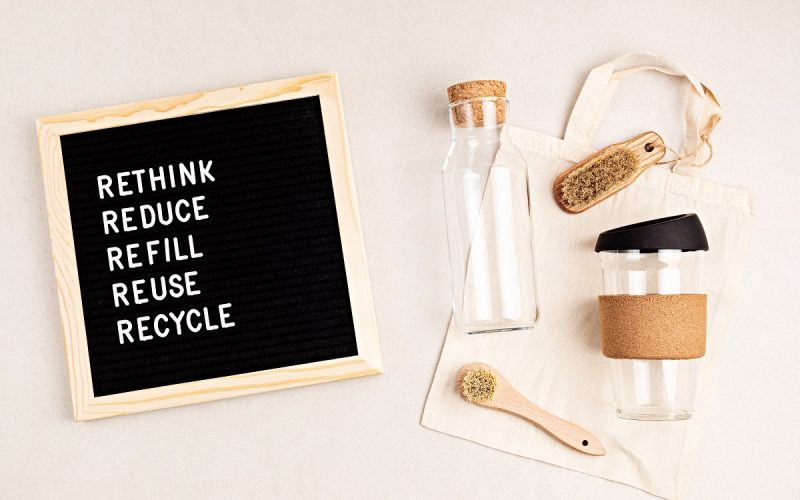
Sustainability is a lifestyle focused on reducing waste, conserving resources, and promoting environmental health. By making small, practical changes in daily routines, anyone can contribute to a cleaner, healthier planet.
These changes don’t need to be complicated or overwhelming—they can start with simple steps that are easy to incorporate into your life. Living sustainably isn’t about making drastic sacrifices. It’s about adopting thoughtful habits that, over time, create a meaningful impact.
From using reusable products to conserving energy and supporting local businesses, every small choice can help protect the environment and improve your quality of life. These steps are approachable and can lead to lasting benefits for both you and the planet.
What Is Sustainable Living?
 Sustainable living involves making thoughtful choices that minimize environmental impact. This includes using fewer resources, reducing waste, and supporting practices that protect natural ecosystems. It’s about finding balance, meeting current needs, and preserving resources for future generations.
By understanding sustainable living, you can see how everyday decisions—like shopping, eating, and disposing of waste—affect the environment and the world around you.
Why Choose a Sustainable Lifestyle?
Choosing a sustainable lifestyle helps the planet and improves personal well-being. It reduces pollution, conserves natural resources, and supports healthier ecosystems. On a personal level, it can save money, improve health, and create a sense of purpose by contributing to meaningful change.
Living sustainably doesn’t require perfection. Small, consistent changes can lead to a big impact over time.
Easy Steps to Begin Your Sustainable Journey
Starting a sustainable lifestyle doesn’t require drastic changes. Here are simple steps to help you get started:
1. Reduce Single-Use Plastics
Single-use plastics, such as straws, bags, and bottles, are major contributors to pollution. Replace them with reusable alternatives:
- Reusable Bottles and Cups: Carry a reusable water bottle and coffee cup.
- Reusable Shopping Bags: Use cloth bags instead of plastic ones for shopping.
- Eco-Friendly Food Storage: Swap plastic wrap for reusable options, like silicone bags or beeswax wraps.
2. Conserve Energy at Home
Reducing energy consumption is an easy way to minimize your environmental impact:
- Turn Off and Unplug: Turn off lights and unplug devices when not in use.
- Energy-Efficient Appliances: Use energy-efficient appliances and LED bulbs.
- Natural Lighting: Take advantage of natural light during the day to cut electricity use.
3. Simplify Your Lifestyle
A simpler lifestyle reduces waste and consumption. Focus on quality over quantity:
- Declutter: Donate or sell items you no longer need.
- Mindful Purchasing: Avoid impulse purchases by asking, “Do I really need this?”
- Durable Products: Choose durable, multi-functional products to reduce waste.
4. Shop Locally and Seasonally

Supporting local businesses reduces the environmental cost of transporting goods:
- Farmers’ Markets: Buy seasonal produce from farmers’ markets.
- Local Products: Choose products made close to home to reduce transportation emissions.
- Sourced Ingredients: Look for locally sourced options when grocery shopping.
5. Reduce Food Waste
Food waste contributes to greenhouse gas emissions. These tips can help:
- Meal Planning: Plan meals and create a shopping list to avoid overbuying.
- Proper Storage: Store food properly to keep it fresh longer.
- Composting: Compost food scraps instead of throwing them away.
6. Choose Greener Transportation
Transportation is a leading cause of carbon emissions. Consider these alternatives:
- Active Travel: Walk, bike, or carpool when possible.
- Public Transit: Use public transportation for longer trips.
- Efficient Errands: Combine errands to reduce the number of car trips you take.
7. Start Composting
Composting turns organic waste into nutrient-rich soil:
- Collect Scraps: Collect food scraps like fruit peels, vegetable trimmings, and coffee grounds.
- Use Compost Bins: Use a compost bin in your backyard or try an indoor composting method.
- Reuse Compost: Apply the compost to your garden or donate it to local community gardens.
8. Switch to Eco-Friendly Cleaning Products
Many cleaning products contain chemicals harmful to the environment. Safer alternatives include:
- Natural Cleaners: Use vinegar, baking soda, and lemon as natural cleaning agents.
- Biodegradable Options: Choose biodegradable or refillable cleaning products.
- Minimal Packaging: Avoid products with excessive packaging.
9. Save Water
 Water conservation is an important part of sustainable living:
- Fix Leaks: Fix leaks and install water-saving fixtures like low-flow showerheads.
- Turn Off Taps: Turn off the tap while brushing your teeth.
- Rainwater Collection: Collect rainwater to use for watering plants or outdoor cleaning.
10. Learn and Advocate
Understanding sustainability helps you make informed decisions and inspire others:
- Educate Yourself: Read books, watch documentaries, and follow credible blogs on sustainability.
- Share Knowledge: Share information about eco-friendly practices with friends and family.
- Support Change: Support businesses and policies that promote environmental responsibility.
Building Long-Term Sustainable Habits
Consistency is the foundation of sustainable living. Start small with one or two changes that feel manageable and build from there. Over time, these habits become second nature, leading to meaningful contributions to environmental health. Progress matters more than perfection. Every small step contributes to a larger collective effort to protect the planet.
Sustainable living is about making practical changes that benefit the planet and your well-being. By reducing waste, conserving resources, and adopting eco-friendly habits, you can make a positive impact on the environment.
At Whole Foods Voice, we are committed to sharing actionable tips and resources to help you live more sustainably. Explore our blog for more ideas and join us in building a better future for generations to come.
