


Balanced nutrition is one of the key determinants of a healthy lifestyle by giving the body energy and other nutrients essential to one’s well-being. It features an appropriate mix of the different food groups: fruits, vegetables, proteins, whole grains, and good fats. It is not about rigid guidelines but a balance of what is appropriate for one. Start at one point with little, manageable changes.
Let our experts at Whole Foods Voice assist you in starting the right set of foods.
What is Balanced Nutrition?
Balanced nutrition means providing your body with a variety of nutrient-rich foods. Instead of cutting out certain foods, aim to add the right combinations.
A healthy diet features proteins from lean meats, poultry, fish, and plant-based sources like tofu. These proteins are essential for building and maintaining muscle. Your meals should also incorporate healthy fats and fiber-rich carbohydrates.
Eating from various food groups ensures you get all the nutrients you need. For example, one whole egg can deliver 5-21% of the Daily Value for important nutrients like iron and vitamins B2, B6, and B12. Though small, it’s a nutritional powerhouse!
Importance for Health
 Providing energy and nutrients for a strong immune system and supporting the body’s efficient functions form the heart of balanced nutrition. Eating the right foods, for example, fruits, vegetables, and whole grains can help maintain health.
Another important touch-in is consuming water through hydration. Aim for around eight glasses every day. Cooking your meals from home is equally good, as it gives you control over what goes into your food.
Benefits of a Balanced Diet
Feeding the body with the right nutrients is crucial. A balanced diet can boost the immune system, helping to ward off illnesses and lower the risk of chronic diseases. Therefore, be conscious of what you eat and listen to your body’s needs, as this can make a significant difference.
Understanding Nutritional Needs
To be in good health and well-being, one must obtain insight into nutrition. This means proper subjection to a balancing intake of macronutrients, micronutrients, and hydration to boost effective body and mind work with minimal risk of nutritional deficiency and health issues.
Body’s Essential Nutrients
Intensively avoided for close nutrition, proper nutrition with macronutrients, micronutrients, and fluids would allow the mind and body to operate at their ideal levels without nutritional deficiencies and problems for health.
Food and Nutritional Groups
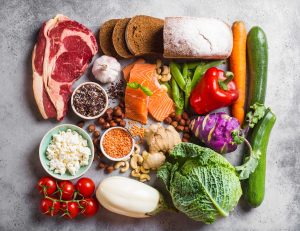 The first requirement of a proper diet is eating nourishing foods, encompassing the entire spectrum from whole grains, veggies, and lean protein to fruits.
It is also of utmost necessity for the body that vitamins and minerals help with proper organ function. Thus, processing vitamin-rich food is one of the ways to take care of the body’s good functioning.
Most seeds, nuts, and legumes belong to the family of proteins, fats, and carbohydrates, thus called macronutrients, that constitute a healthy being. While proteins build muscle and tissue, good protein sources include lean meats, fish, legumes, seeds, nuts, and so on.
One would also do wisely to spread their protein intake throughout the day at every meal. Use carbohydrates for energy and facilitate gut health through whole grains rich in fiber.
Moreover, healthy fats from oils and avocados play an important role in cell formation and hormones. Never forget to take enough clean water every day for a healthy body and optimum performance.
Ranking the Macronutrients
The macronutrients are three major classes of nutrients: carbohydrates, proteins, and fats. Each of them plays an integral part in energy provision and physiological processes within the body.
Protein Functions
Proteins are molecules vital to living organisms. They play many roles in the maintenance of life. Different proteins are engaged in the building up of living cells and tissues, for instance, muscles, organs, and skin. They help form cells and tissue that enable motion, as seen in muscle contraction, which permits us body movements. Proteins are involved as enzymes, biological catalysts that increase their metabolic rate, which allows us to digest food and perform various metabolic processes.
Carbohydrates and Fiber Benefits
Carbohydrate is often known as the body’s preferred source of energy or the first choice for energy. They are found in high amounts in bread, pasta, fruits, and vegetables. A gram of carbohydrate gives, simply put, around 4 calories.
A keto diet with very few carbohydrates prohibits other carbohydrates that comprise even 5 to 10% of calories from your daily intake.
Fats and Their Functions
A good supply of fat is involved by the movement of vitamins around the body, and in that respect, is a good source of energy as well. The general recommendation (National Academy of Sciences) is for calories from fat contributions to be set between 20% and 35%.
With fats containing 9 calories per gram, not surprisingly are they in the same categories as avocados, nuts, oils, etc. This might explain why one-half of an avocado offers a dose of more than 10 grams of healthy fats with monounsaturated fat.
Multiple modern diets, like keto, promote high-fat meals to the excess of 70–80% of calorie count. The crucial part of the ingestion of good fats should, however, remain natural. These fats assist us with brain functioning while at the same time creating hormones, along with other basic nutrition.
Conclusion
Balanced nutrition is a matter of lifestyle and growth. With insight into macronutrients and micronutrients, you can put a healthier plate across each meal. Healthy nutrition is not merely counting calories; you need to ensure that you know just what fuels your body.
Also, the first step should always be a personalized plan for eating: it should be specific and give room for successful health improvement in you. Small changes can sometimes lead to the biggest improvements; for example, give water a try instead of juice or use frozen fruits and vegetables to make cooking easier.
Experiment with new foods and listen to what your body needs. Enjoy the process; let it be fun! So, if you are ready to begin the journey of nutrition, then visit us at Whole Foods Voice.
