

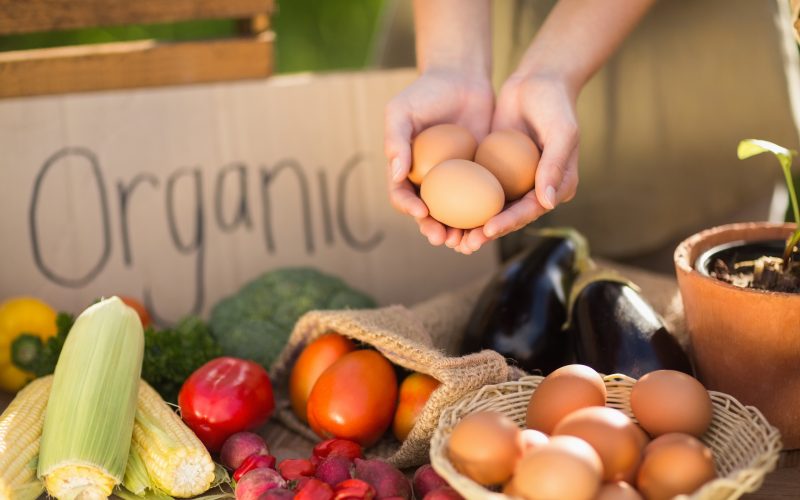
Organic foods have become increasingly popular among people looking for healthier and more eco-friendly eating habits. This guide aims to provide practical tips for choosing organic products, primarily to encourage smart options when shopping for groceries or farmers’ markets. By checking Whole Foods Voice you can have more ideas on organic food buying guides.
What Is Organic Food?
Organic food involves fruits, vegetables, and animal-based products that have been grown without synthetic means of fertilizers, pesticides, or GMOs. Organic farming focuses on improving soil health through various practices such as composting and crop rotation; hence crops such as carrots and lettuce are fertilized naturally from the soil.
Animals raised for purposes of organic foods, such as eggs, milk, and meat, are not regularly given antibiotics or growth hormones while they may spend part of their lives on pasture, yielding products with an increased nutrient level. For example, organic eggs and beef can contain 50% more omega-3 fatty acids than conventional eggs and beef.
The organic industry also advocates biodiversity and ecosystem health. Biodynamic farming, which is rated above organic farming, forms part of the certification process in Australia. With the increasing popularity of organic food comes a greater preference of consumers for these health-focused and sustainable practices.
Nutritional Benefits Of Organic Foods
 There are many nutritional benefits of considering the incorporation of organic food into one’s diet, benefits that contribute to better overall health.
Organic produce is cultivated without the use of synthetic pesticides, herbicides, and fertilizers, thus their natural and rich concentration of essential nutrients, vitamins, and minerals.
- The health benefits of organic food are usually grown without artificial fertilizers and pesticides, which again minimizes pesticide residues. It allows for healthier crops due to crop rotation and insect traps, thus guaranteeing safer food for the consumers. Often organic apples and greens have fewer pesticide residues than conventional ones.
- They are higher in antioxidants. Organic produce is richer in antioxidants, including vitamin C and flavonoids, beneficial for protection against chronic diseases. The higher nutrient concentration comes from the farming practice of organic farming, which enhances the innate defenses of crops, resulting in fresher and healthier produce.
- Since children are more vulnerable to pesticides, this makes organic options the safer choice. Conventional dairy products consist of milk containing growth hormones and antibiotics, while organic milk does not. Organic farming puts animals on quality, chemical-free pastures, providing safer food for kids.
Environmental Benefits of Organic Farming
Organic agriculture has very many environmental benefits that help sustainable agriculture.” They do not/require synthetic pesticides and fertilizers that would have washed into waterways, hence protecting aquatic ecosystems and improving water quality.
- Wildlife Conservation: Organic farming supports biodiversity by ensuring areas without synthetic pesticides where pollinators like bees and birds can thrive within an ecologically balanced system. Organic livestock benefit from natural living conditions, thus preventing stress and creating healthy ecosystems.
- Less Pesticide Use: Ordinary agriculture uses a huge amount of synthetic pesticides which could have dangerous effects; organic agriculture reduces that load to protect soil and water quality while becoming healthier agricultural ecosystems.
- Carbon Sequestration: Organic farming improves the capacity of soils to capture carbon and lower their greenhouse gas emissions by emphasizing soil health. Practices involving cover cropping not only strengthen soil but also bring about long-term carbon storage. Local organic produce helps cut down transportation emissions, effectively showing how organic farming can play a role in fighting climate change.
Foods to Prioritize When Buying Organic
 Several fruits and vegetables must be purchased organic due to their high pesticide levels. Strawberries head EWG’s Dirty Dozen list, where virtually every single sample is found to have pesticide on it. Pesticide residues are also seen on apples, pears, and berries, making organic versions worth seeking out.
Leafy greens, including kale and collards, should be bought organic due to Consumer Reports’ finding of multiple pesticide residues there too. It may be worth choosing organic items to cut back on your exposure to harmful substances. You could use an organic food buying guide to assist you in making your purchases by priority based on your budget.
Choosing Organic Meat, Eggs, and Dairy
Organic meat, eggs, and dairy offer benefits by being free of synthetic hormones and antibiotics, plus provisions for animal welfare. They are on organic feed and have access to the outdoors, helping enhance their nutritional quality. For example, organic milk generally has more omega-3 fatty acids than conventional milk.
When buying meat, be sure to look for USDA-certified organic options. Organic eggs are produced from birds raised without chemicals that could be harmful to human life, promoting organic farming.
Best Organic Snacks and Beverages
Choosing organic snacks and drinks is a simple way to improve your diet. Organic nut butter, granola bars, and dried fruit are, for the most part, preservative-free. Organic coffees, teas, juices, and plant milk are other good choices that don’t contain synthetic additives. While organic items may tend to be pricier, they sidestep artificial flavors and dyes, hence being a good investment in your health.
Understanding Organic Food Labels
 Reading organic food labels is quite easy once you know what to look for. The USDA Organic Seal means it abides by strict standards regarding pest control programs, and GMOs are not used.
On the other hand, multi-ingredient foods can be called organic when at least 95% of their contents fulfill organic standards. Labels such as “grass-fed” and “free-range” have very specific meanings relating to diets and pasture access for animals.
Key Differences Between Labels
Not all labels are equal. USDA Organic Seal guarantees strictly created set federal standards, while words such as “natural” or “non-GMO” don’t. Non-GMO products can be made without organic practices, even though they are safe to eat. Being certified organic guarantees no GMOs and adherence to stricter environmental standards.
How to Know Real Organic Food
To ensure that you are purchasing true organic food, watch out for USDA Organic Seal because standards are enforced by the National Organic Program against misrepresentation. To know if fresh produce is organic, look for PLU codes that start with a “9.” Be cautious of terms like “made with organic ingredients” because these foods have at least 70% organic ingredients, but they can also have non-organic ingredients.
Switching to organic foods can lead to great benefits. Organic eating accommodates and supports healthy diets and environmentally friendly farming that reduces exposure to harmful chemicals like pesticides. Knowing what foods you will buy and how to read labels makes this much easier.
Stick to the ones with thin skins so that you make a phenomenal impact at a low expense. Shopping for seasonable food will save money and make health-conscious choices. Organic products also support sustainable agriculture and local farmers, contributing to a better food system.
Stay informed to shop smarter and confidently enjoy that indulgent habit. Find an organic food buying guide that is appropriately enlightened, build habits that pass on well-being for yourself and the planet at Whole Foods Voice. Contact us now!


