

Organic food has gained significant attention as people increasingly focus on health and environmental sustainability. While the organic label suggests cleaner and more ethical choices, is it truly worth the often higher price tag?
For many, the decision to buy organic comes down to weighing its perceived benefits against its cost. The promise of fewer synthetic chemicals and eco-friendly farming practices is appealing, but the true value depends on personal priorities, such as health, environmental impact, and budget.
Let’s explore the facts to help you decide if organic food aligns with your goals and lifestyle.
What Does “Organic” Mean?
Organic food is often seen as the healthier and cleaner option in grocery stores. Understanding what the term actually represents can help you determine its value in your diet.

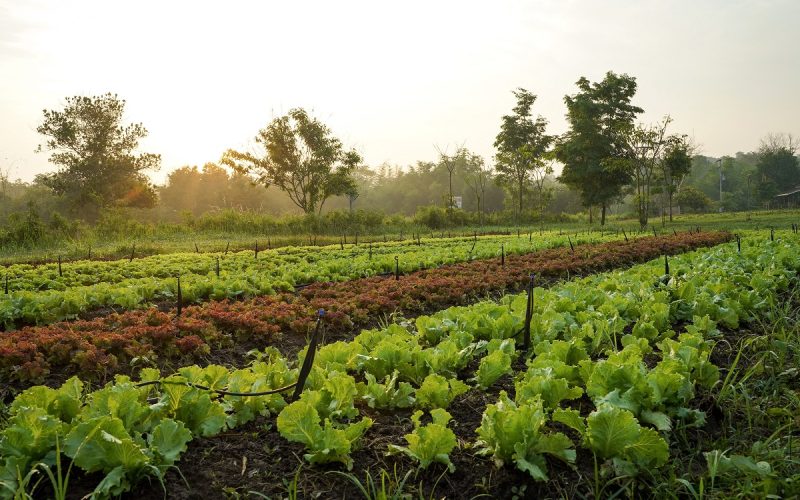
Organic food includes produce, dairy, and meat grown or raised without synthetic pesticides, herbicides, fertilizers, or genetically modified organisms (GMOs). Organic farming methods also promote soil health, water conservation, and humane treatment of animals. Products labeled “organic” in the U.S. must meet specific USDA standards.
Organic food is often associated with cleaner eating and environmentally friendly practices, but it’s important to understand what goes into the organic label. This understanding can help you evaluate whether organic options align with your personal health goals, budget, and environmental values.
Benefits of Organic Food
The appeal of organic food lies in its potential to improve health and protect the environment. Here are some of the most talked-about advantages of choosing organic options.
- Reduced Pesticide Exposure: Organic produce typically contains fewer pesticide residues compared to conventionally grown alternatives. By relying on natural alternatives instead of synthetic chemicals, organic farming reduces exposure to substances that may pose health risks.
- Environmentally Friendly Practices: Organic farming helps maintain soil health, conserve water, and support biodiversity. These practices avoid synthetic chemicals, reducing pollution and safeguarding natural ecosystems.
- Humane Treatment of Animals: Organic meat and dairy products come from animals raised in humane conditions. These animals often have access to the outdoors and are not treated with antibiotics or growth hormones.
- Nutritional Benefits: Some studies suggest that organic foods may contain higher levels of certain nutrients, such as antioxidants. This makes them a good choice for those looking to maximize the nutritional value of their meals.
- Supports Sustainable Agriculture: Organic farming supports methods that aim to preserve natural resources for future generations. By choosing organic, you’re contributing to a farming system that prioritizes sustainability.
Misconceptions About Organic Food
Despite its popularity, many misunderstand what organic food truly represents. Addressing these myths can help clarify whether organic food aligns with your needs.
Myth 1: Organic Food Is Always Healthier
Organic foods lower pesticide exposure and may offer nutritional benefits, but they are not automatically healthier. For example, organic desserts and snacks can still contain high amounts of sugar, salt, or fat.

Myth 2: Organic Farming Uses No Pesticides
It’s a common misconception that organic farming is entirely pesticide-free. While organic methods use natural pesticides, these can still affect the environment, although they break down more quickly than synthetic options.
Myth 3: Organic Labels Guarantee Quality
The organic label only reflects farming standards, not the freshness or taste of the product. Regardless of labels, always check for quality before purchasing.
Myth 4: Organic Food Costs Much More
While organic items can be more expensive due to labor-intensive farming, prices are becoming more competitive. Shopping at farmers’ markets or buying seasonal items can make organic food more affordable.
Myth 5: Organic Food Always Tastes Better
Taste is subjective and influenced by factors such as freshness and preparation. Some find organic foods tastier, while others see little difference.
Deciding If Organic Food Fits Your Needs
Choosing whether to buy organic food depends on your personal goals and priorities. Evaluating the pros and cons can guide you in making the right decision.
If reducing pesticide exposure or supporting sustainable farming is important to you, organic food may be a good match. However, if cost is a concern, selectively purchasing organic items, such as those on the Environmental Working Group’s “Dirty Dozen” list, can help balance your budget.
Tips for Buying Organic
If you decide organic food is right for you, knowing how to shop wisely can help you make the most of your purchases. These tips can help you save money and get high-quality products.
 Focus on High-Risk Produce: Prioritize organic versions of items like strawberries, apples, and spinach, which tend to have higher pesticide residues.
- Shop Locally: Farmers’ markets often offer fresh organic produce at better prices.
- Buy Seasonal Produce: Organic items are usually more affordable when purchased in season.
- Compare Stores: Check prices across retailers and online platforms to find the best deals.
- Explore Store Brands: Many grocery stores offer organic options at lower prices than name-brand products.
Practical Takeaways for Choosing Organic Food
Organic food offers several benefits, including lower pesticide levels, environmentally conscious farming practices, and humane treatment of animals. However, it’s helpful to approach the organic label with a realistic perspective.
Whether or not you choose organic, a diet rich in whole, unprocessed foods is the foundation of good health. By weighing the advantages and understanding the myths, you can make choices that support your health, values, and lifestyle.
At Whole Foods Voice, we bring you the latest insights to help you make informed decisions about the food you eat. Stay connected with us for more expert tips, updates, and news on organic living.


