


The ketogenic lifestyle is more than just a diet—it’s a way of eating that helps the body switch from using carbohydrates to fats for energy. This approach involves high-fat, moderate-protein, and low-carb meals, leading to a metabolic state called ketosis, where fat becomes the primary fuel source.
If you’re starting keto, understanding the basics and planning meals properly can help you stay on track. From meal prep to choosing the right foods, here’s everything you need to make keto work for you.
What is the Keto Lifestyle?
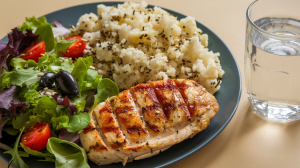 The keto lifestyle focuses on eating foods that are high in fat, moderate in protein, and very low in carbohydrates. Normally, the body relies on carbohydrates for energy. However, by limiting carb intake to around 20 to 50 grams per day, the body shifts to burning fat instead.
Healthy fats such as avocados, nuts, seeds, olive oil, and fatty meats play a major role in this diet. Protein is consumed in moderate amounts, while foods like bread, pasta, and sugar are eliminated. The focus is on nutrient-rich, whole foods that promote sustained energy and better metabolic function.
Understanding Ketosis and How It Works
Ketosis is a metabolic state where the body burns fat for energy instead of glucose. When carbohydrate intake is reduced, the liver converts stored fat into ketones, which serve as the body’s primary energy source.
What Are the Benefits?
- Steady Energy – Fat provides lasting energy without sudden drops.
- Mental Clarity – Many people feel more focused and alert while in ketosis.
- Fat Loss – The body burns fat for energy, which may support weight loss.
- Appetite Control – High-fat meals keep you full longer, reducing cravings.
Some studies suggest that individuals on a keto diet tend to experience more fat loss compared to those following traditional low-fat diets.
How Long Should You Follow a Keto Diet?
The duration of a keto diet depends on individual goals. Some people follow it short-term for weight loss, while others maintain it as a long-term lifestyle change.
Common Approaches:
- Short-Term Keto (4–12 weeks): Used to reset metabolism or accelerate weight loss.
- Long-Term Keto (6 months or more): Helps sustain fat-burning and metabolic improvements.
- Cyclical Keto: Allows for structured carb intake on certain days, which can be useful for athletes or active individuals.
Since everyone’s body responds differently, consulting a doctor or nutritionist before starting keto can help determine the best approach for you.
Types of Ketogenic Diets
There are different variations of the keto diet based on individual needs and lifestyle preferences.
- Standard Ketogenic Diet (SKD): This is the most common approach, consisting of 70-80% fat, 10-20% protein, and 5-10% carbohydrates. It is primarily used to maintain ketosis and sustain steady energy levels.
- Cyclical Ketogenic Diet (CKD): This method involves following a strict ketogenic diet for five days, followed by two days of higher carbohydrate intake. It is particularly beneficial for athletes who need extra carbohydrates to support high-intensity training.
- Targeted Ketogenic Diet (TKD): With this approach, small amounts of carbohydrates are consumed before or after workouts. It is designed to provide quick energy without disrupting ketosis, making it ideal for individuals who engage in regular physical activity.
- High-Protein Ketogenic Diet: This variation increases protein intake to 35%, while fat makes up 60% and carbohydrates remain at 5%. It is best suited for those aiming to build or maintain muscle mass while still benefiting from ketosis.
Choosing the right variation depends on your activity level, goals, and overall health.
What to Eat on a Keto Diet
Eating the right foods is key to making keto work effectively.
Keto-Friendly Foods:
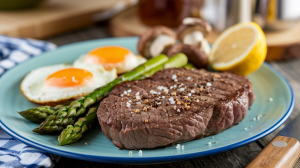 Healthy Fats: Avocados, olive oil, coconut oil, grass-fed butter, nuts, and seeds
- Protein: Eggs, chicken, beef, fish, and tofu
- Low-Carb Vegetables: Leafy greens, zucchini, broccoli, cauliflower, asparagus
- Dairy: Cheese, Greek yogurt, and heavy cream
- Beverages: Water, black coffee, herbal teas, bone broth
Foods to Avoid:
- Bread, pasta, rice, and grains
- Starchy vegetables like potatoes and corn
- Sugary foods and drinks
- Processed and high-carb snacks
Keto Meal Ideas
Finding delicious meals on keto doesn’t have to be complicated—there are plenty of satisfying options that keep you full and on track.
Breakfast Ideas:
- Scrambled eggs with spinach and feta
- Keto pancakes made with almond flour
- Avocado and smoked salmon on a low-carb wrap
Lunch Ideas:
- Bunless burger with cheese, lettuce, and avocado
- Grilled chicken salad with olive oil dressing
- Tuna salad with cucumber slices
Dinner Ideas:
- Garlic butter salmon with roasted asparagus
- Beef stir-fry with cauliflower rice
- Grilled chicken with creamy mushroom sauce
Keto Desserts:
- Dark chocolate fat bombs
- Almond flour cookies
- Chia seed pudding with coconut milk
These meals make it easy to enjoy different flavors while staying on track.
How to Calculate Keto Macros
To maintain ketosis, balancing fat, protein, and carb intake is essential.
For a 2,000-calorie diet, a typical breakdown looks like this:
- 70-80% fat: 1400-1600 calories (155g fat)
- 10-20% protein: 200-400 calories (75g protein)
- 5-10% carbohydrates: 100-200 calories (25g carbs)
Using an online macro calculator or consulting a nutritionist can help you customize these numbers based on your needs.
Tips for a Smooth Keto Journey
Shifting to keto requires planning and consistency. These tips can help ease the transition:
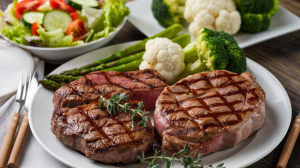 Choose the Right Fats: Focus on avocados, nuts, olive oil, and fatty meats while cutting down on carbs.
- Keep Keto Snacks on Hand: Having cheese, beef jerky, nuts, and low-carb dips helps avoid high-carb temptations.
- Meal Prep in Advance: Planning meals makes it easier to stick to keto without last-minute food choices.
- Stay Hydrated: Drinking enough water and adding electrolytes can prevent dehydration and headaches.
- Track Your Progress: Using apps to monitor carb intake and ketone levels can help you stay in ketosis.
Following these steps can make keto easier and more manageable over time.
Start Your Keto Journey with Whole Foods Voice
A ketogenic diet can improve energy, mental focus, and overall health. With the right meal planning, macro tracking, and quality food choices, you can make keto part of your daily life.
For more tips, recipes, and expert insights, visit Whole Foods Voice and take the next step toward a healthier lifestyle. Start today and enjoy the benefits of keto with meals that are both delicious and satisfying.
