

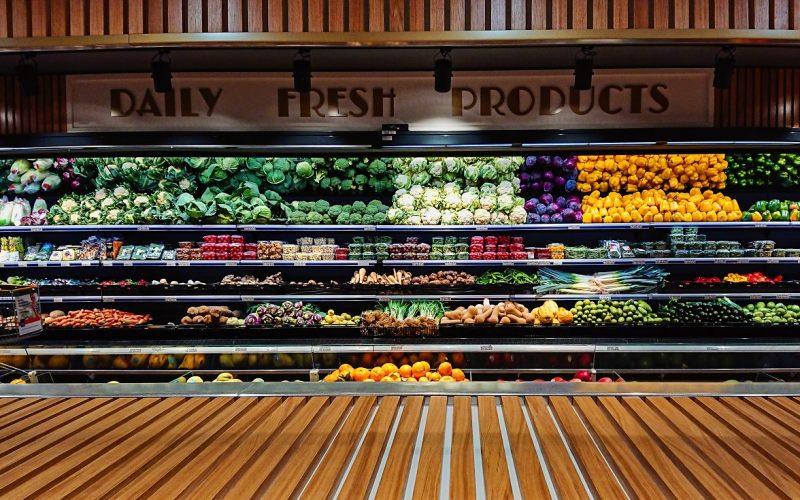
Whole foods and processed foods represent two ends of the dietary spectrum. Whole foods—like fresh fruits, vegetables, nuts, seeds, and whole grains—are as close to their natural state as possible.
On the other hand, processed foods undergo various forms of alteration, such as freezing, canning, and refining, often to increase shelf life or enhance flavor. Understanding the difference can help you make better dietary choices that support long-term health.
What Are Whole Foods?
Whole foods are natural, unprocessed, or minimally processed foods that contain no artificial substances or additives. Examples include fresh fruits, vegetables, whole grains, nuts, and seeds. These foods maintain their full nutritional value because they’re free from unnecessary processing, providing essential vitamins, minerals, and fiber.
Benefits of Consuming Whole Foods
Choosing whole foods supports a healthier lifestyle. Whole foods are nutrient-dense, packed with fiber, vitamins, and minerals that the body needs for optimal functioning. Their simple ingredient lists—or sometimes no ingredient list at all—make them easy to identify. Here’s why they matter:
 Nutrient-Rich: Whole foods provide essential vitamins and minerals that support overall health and well-being.
- Fiber for Digestion: Whole foods like fruits, vegetables, and whole grains promote better digestion and gut health.
- Reduced Risk of Chronic Illnesses: Diets rich in whole foods are linked to lower risks of heart disease, cancer, and type 2 diabetes.
- Caloric Control: Whole foods are often lower in calories compared to processed options. For example, a baked potato contains about 95 calories per 100 grams, while fried potato chips of the same weight contain around 545 calories.
A shift toward whole foods also helps in managing blood sugar levels, particularly for those with diabetes, as whole foods have lower added sugars and refined carbs that contribute to blood sugar spikes.
What Are Processed Foods?
Processed foods are foods that have been altered from their original form through freezing, canning, baking, drying, or other methods. The goal of processing is to increase shelf life, improve flavor, or add convenience. Processed foods range from minimally processed items like frozen vegetables to ultra-processed foods like instant ramen or sugary snacks.
Reasons for Food Processing
Processing has benefits that make modern food systems more efficient and accessible.
- Safety: Pasteurization and canning remove harmful bacteria, making foods safer to eat.
- Convenience: Pre-packaged meals and snacks cater to people with busy lifestyles.
- Year-Round Access: Canned and frozen produce allow people to access fruits and vegetables year-round, even when they’re out of season.
- Fortification: Foods like breakfast cereals are enriched with essential nutrients such as iron, which can address nutritional deficiencies in certain populations.
Common Misconceptions About Processed Foods
A common belief is that all processed foods are unhealthy. However, not all processing is bad. For example, frozen fruits and vegetables retain most of their nutrients and offer a practical alternative when fresh produce isn’t available.
Some processed foods, like yogurt with live cultures or fortified cereals, offer essential nutrients. What matters most is the ingredient list—the shorter, the better—and the nutritional quality of the final product.
Comparing Whole Foods and Processed Foods
Making informed food choices can lead to better health and well-being. Understanding how whole foods differ from processed foods in nutrition, health impact, and environmental effects can help you make decisions that benefit both your body and the planet.
Nutritional Differences
Whole Foods
- Nutrient Retention: Retain natural vitamins, minerals, fiber, and antioxidants.
- Examples: Fresh fruits, vegetables, whole grains, nuts, and seeds.
- Nutritional Benefit: Offers essential nutrients and supports overall health.
- Caloric Comparison: A baked potato has about 95 calories per 3.5-ounce serving, providing fiber and natural energy.
Processed Foods
- Nutrient Loss: Often stripped of natural nutrients during production.
- Added Ingredients: Frequently include added sugars, unhealthy fats, and sodium to enhance flavor and shelf life.
- Examples: Potato chips, sugary snacks, and refined grain products.
- Caloric Comparison: A 3.5-ounce serving of potato chips has around 545 calories, with fewer nutrients and higher fat content.
Impact on Health
Whole Foods
- Health Benefits: Promote heart health, lower the risk of chronic diseases like diabetes and cancer.
- Digestive Support: Support healthy digestion due to higher fiber content.
- Nutritional Support: Contain essential nutrients that aid in body functions and long-term well-being.
Processed Foods
- Health Risks: Contribute to higher rates of obesity, heart disease, and chronic illness.
- Empty Calories: Often contain “empty calories” from added sugars and unhealthy fats.
- Long-Term Impact: Linked to long-term health issues due to high-calorie, low-nutrient ingredients.
Environmental Considerations
Whole Foods
 Environmental Impact: Typically have a smaller environmental footprint, especially when grown locally or organically.
- Production and Transport: Require fewer production processes, less packaging, and shorter transportation distances.
- Sustainability: Promote sustainable agricultural practices.
Processed Foods
- Environmental Impact: Have a larger environmental impact due to production, packaging, and transportation needs.
- Resource Use: Require more energy, water, and resources for processing and preservation.
- Waste Production: Generate more waste and pollution from packaging materials and manufacturing processes.
Choose Whole Foods for a Healthier, Balanced Life
Whole foods and processed foods each have a role in modern diets, but understanding the difference helps you make smarter choices. Whole foods offer superior nutritional value, support heart health, improve digestion, and reduce the risk of chronic disease.
Processed foods can be convenient and safe, but ultra-processed foods with high sugar, fat, and sodium content should be consumed in moderation. By focusing on whole foods, you’re choosing better health, a smaller environmental footprint, and a more balanced lifestyle.
At Whole Foods Voice, we’re dedicated to helping you stay informed on the benefits of whole foods and how to make better choices for your health. Stay connected with Whole Foods Voice for more updates and insights on nutrition and well-being.
